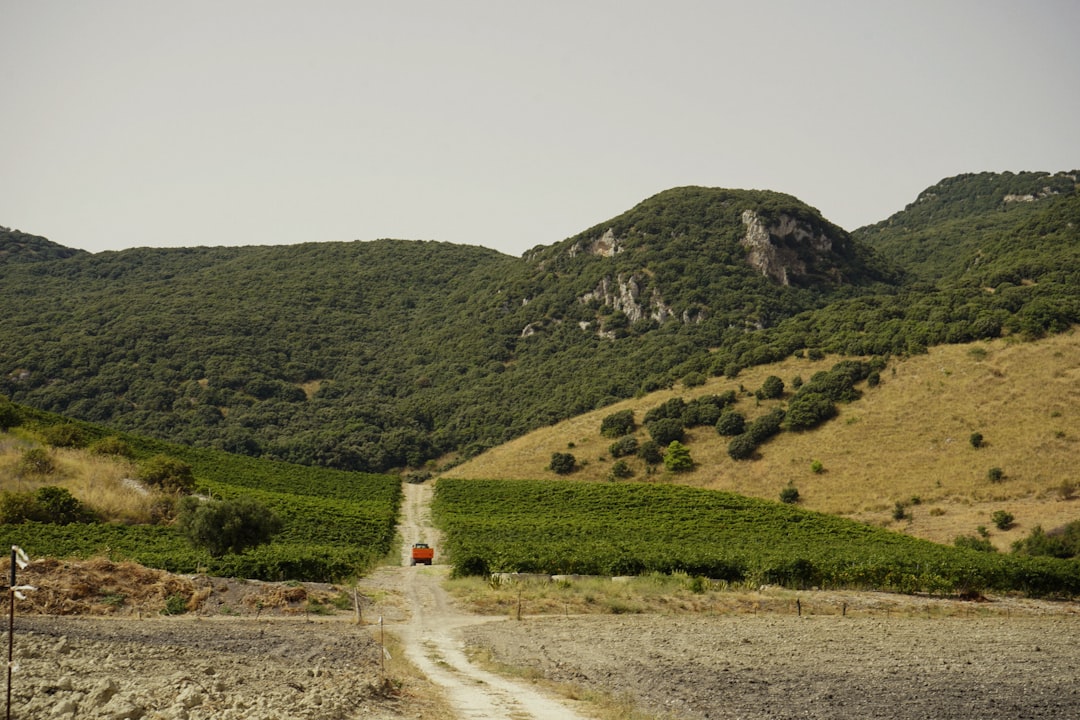
Sicily's 2026 Harvest Looks Good While the Rest of Europe Burns
The Sicilian harvest started early this year. Specifically, around July 28, according to Wine Business, with growers describing conditions as "decidedly positive." That's a phrase you don't hear much from European wine producers in the summer of 2026.
Everywhere else, the news is grim. Wildfires tearing through Provence and parts of Bordeaux as of August 3. French yields expected to be halved in some areas after months of drought and heat. California ripping out vineyards it can no longer afford to keep. If you've been following any of this, you'll know that the global wine supply is heading into a rough few years, and prices are going to reflect that.
Sicily, quietly, is having a completely different summer.
Why Sicily Had a Good Year When France Didn't
It comes down to winter and spring rainfall. While central and southern France were already dry by March, Sicily got the kind of wet, mild build-up that vineyards actually need. The water reserves going into summer were strong enough to buffer the heat. Vines that aren't stressed by drought in June tend to produce smaller, more concentrated berries in August, which generally means better wine rather than less of it.
This isn't luck so much as geography. Sicily sits further south than most people picture, closer to North Africa than to Paris, and its climate doesn't always track with the French pattern. When Atlantic weather systems fail northern Europe, Sicily can still pull moisture from the Mediterranean. Not every year, and not reliably, but in 2026 it worked out.
The other thing worth knowing: Sicilian producers have spent the last fifteen years getting much better at farming in heat. The shift away from high-yield, anonymous grape growing towards indigenous varieties like Nero d'Avola, Nerello Mascalese, and Carricante has produced a generation of growers who understand their land in ways the old bulk-wine era never required.
What This Actually Means for UK Wine Drinkers
The short version: if you were planning to drink French wine this winter, start thinking about alternatives now.
The 2026 Bordeaux and Burgundy harvests are going to be small and expensive. Some of that expense will hit immediately as the trade adjusts expectations. Some of it will take eighteen months to appear on shelves. Either way, the window for buying good French wine at reasonable prices is narrowing.
Sicilian wine is already good value by comparison. A decent Etna Rosso from a producer like Cornelissen or Benanti costs roughly the same as an entry-level Burgundy, and in a year where Burgundy's harvest is under serious pressure, that gap is going to look even wider. The 2026 vintage from Sicily may well end up being the one collectors point to in ten years as the year they should have bought more.
For everyday drinking, the shift is simpler. Nero d'Avola from the southeast of the island, around Noto and Pachino, tends to be robust without being heavy. Nerello Mascalese from Etna is the one that gets the column inches, for good reason, but it's also the pricier end. Grillo and Catarratto, the white varieties, are genuinely underrated and are exactly the kind of wine that works through a British summer that can't decide if it's actually summer.
The Harder Question About Climate and Wine
There's something uncomfortable sitting underneath all of this. Sicily having a good year is good news for Sicilian producers and for people who drink Sicilian wine. But the reason Sicily is getting attention right now is partly that the regions we've relied on for a century are in serious trouble.
The wildfires in Provence aren't just a bad harvest. They're vineyards that may not come back. The drought in France isn't a one-off. Five of the last eight harvests in France have been affected by either frost, drought, or disease in ways that would have been considered unusual fifteen years ago. California's vine-pulling crisis has multiple causes, but climate instability is one of them.
Sicily being a bright spot doesn't fix any of that. And Etna, for all its current health, sits on an active volcano at an elevation that's warming too. The growing altitudes that make it relatively cool today may not be sufficient in twenty years.
I don't say this to be bleak about Sicilian wine, which is genuinely worth drinking right now. I say it because understanding why a region is doing well is as useful as knowing that it is. The 2026 vintage tells you something about what to buy this year. The pattern behind it tells you something about where wine is actually headed.
How to Get Into Sicilian Wine Without Guessing
If you've drunk Spanish wine for years but never really got into Sicily, the honest reason is probably that the selection in most UK supermarkets is still thin. The interesting stuff, the small-production Etna wines, the natural producers in Vittoria, the biodynamic growers around Marsala, tends to live in independent bottle shops and on specialist wine lists.
The best way to shortcut the learning curve is to find a tasting or masterclass that focuses specifically on Sicily or southern Italian wine. A good importer-led event will get you through six or eight producers in ninety minutes with someone who actually visits these estates, which is worth more than reading labels in a shop. Sommly lists that kind of event across the UK, including those run by bottle shops and independent educators who have a proper focus on Italian wine rather than just a section of the shelf.
If you'd rather just buy a bottle and see, try to get something from Etna first, specifically a Nerello Mascalese from a producer that exports properly to the UK. Terre Nere and Passopisciaro are both findable through decent independent merchants. If the price feels steep, a Nero d'Avola from Donnafugata or a Grillo from Planeta is a reasonable lower-stakes starting point.
The 2026 Vintage Is Worth Watching
Harvests that start early with strong raw material usually end well, though what happens in August still matters. Heat spikes in the last few weeks before picking can undo a lot of good work. The forecast for Sicily through August looks manageable by recent standards, but growers will be watching.
By October we'll have a clearer picture. The trade press will start talking about 2026 Sicily properly around spring 2027 when the first wines arrive in the UK. That's when you'll want to have already decided what you think about the region rather than forming an opinion under marketing pressure.
The time to pay attention to Sicily is now, while the harvest is happening and before the 2026 vintage becomes a talking point with a price premium attached.