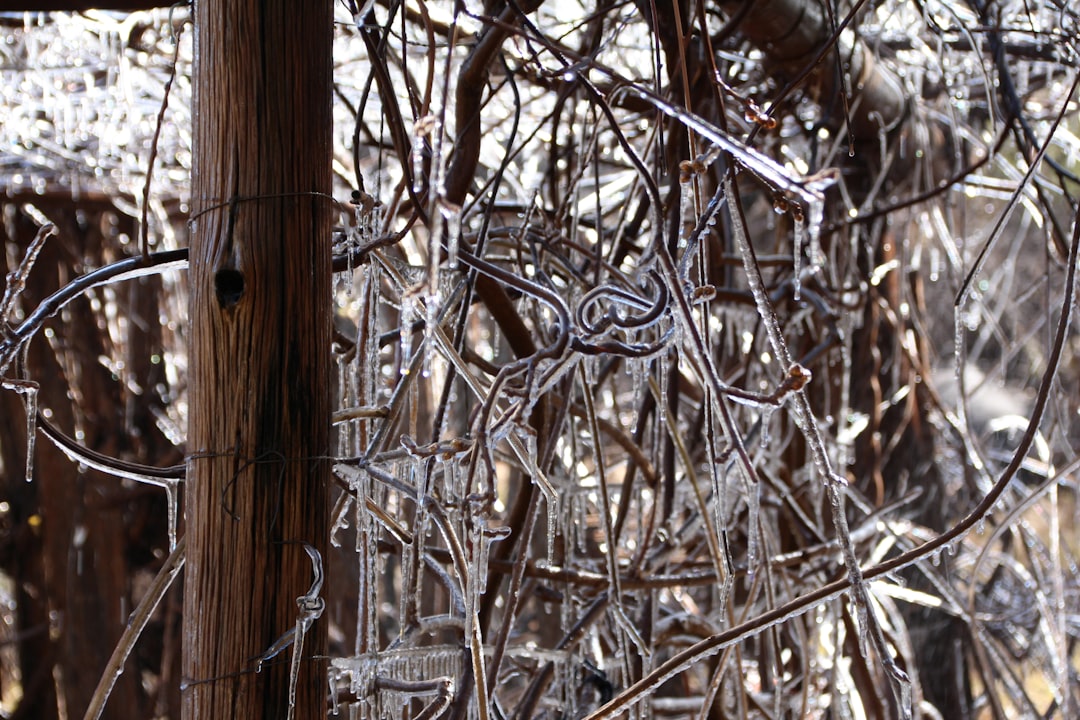
Spring Frosts Hit Champagne and Burgundy
Three consecutive nights of sub-zero temperatures swept through Champagne and Burgundy in early April, and the photographs coming out of both regions look like something from a disaster reel - scorched black vines, frost candles burning in rows across the hillsides, growers standing in their parcels looking exhausted before the season has even properly started.
It's a gut-punch moment for two of the world's most scrutinised wine regions. And honestly, if you drink either with any regularity, it's worth understanding what actually happens next.
What Happened, and Why April Is So Dangerous
The frosts hit around April 10th, 2026, right in the window that growers dread most. Early spring warmth had already pushed the vines into bud break - the moment when the first green shoots emerge from dormancy - and once that happens, those shoots are genuinely fragile. A single night below zero can destroy a year's crop on a given parcel. Several nights in a row is catastrophic.
This isn't unprecedented. 2021 saw similar frost events across France, and yields in some Burgundy appellations dropped by as much as 80%. The 2026 damage is still being assessed, but early reports suggest significant losses across premier and grand cru vineyards in Burgundy and widespread canopy damage across the Champagne region.
The reason April is particularly brutal is timing. If frosts hit before bud break, the vine is still dormant and largely protected. If they hit after the canopy has fully developed, the leaves provide some insulation. The bud break window - maybe two or three weeks in spring - is when the vine is most exposed. And that's exactly when these temperatures arrived.
Champagne and Burgundy Specifically
These two regions matter in slightly different ways to UK drinkers, so it's worth separating them out.
Champagne
Champagne has a few things working in its favour here. The large Champagne houses hold significant reserve wines - blended stock from previous years - precisely to buffer against years like this. This is by design. The non-vintage blends that most people drink (your NV Brut, your house Champagne at a restaurant) are built around consistency, and the reserve system exists to protect that consistency when a single vintage is damaged.
What this means practically: your everyday Champagne probably won't feel this immediately. The houses will draw on reserves, adjust blends, and the bottles on shelves in 2027 and 2028 will likely look similar.
The pain is felt more acutely by grower producers - the small, estate-level winemakers who've become fashionable over the last decade and who don't have the same reserve cushion. If you've started buying grower Champagne (and many people have, because they're genuinely interesting), expect smaller allocations and some price pressure over the next couple of years.
Burgundy
Burgundy is a harder situation. There are no reserve wines. Each vintage is what it is, and the parcels are tiny to begin with. Pinot Noir is also, notoriously, a thin-skinned variety that's unforgiving of frost damage at any stage.
The grands crus and premiers crus of the Côte d'Or are already priced at a level that feels slightly disconnected from reality for most drinkers. Frost damage will make already scarce allocations scarcer, and prices that are already difficult will move further upward. This isn't speculation - it's just the maths of a small supply getting smaller.
For village-level Burgundy and the appellations that sit outside the most famous names, the picture is more mixed and depends heavily on specific location and aspect of the vineyard. Some parcels will have escaped worse damage. Others won't.
What This Actually Means If You Buy Wine
A few honest thoughts on how to respond to this, without panic-buying or overthinking it.
If you're a Champagne drinker, the next year or two is probably a good time to explore grower producers while you still can at current prices, and to be a bit more adventurous about regions that use the same traditional method. English sparkling wine has had a complicated few months (there are separate pressures bearing down on the industry domestically right now), but Crémant from Alsace or the Loire, Cava, and quality Franciacorta all make wines using the same method and can offer real pleasure at more accessible price points.
If you buy Burgundy regularly, this is probably the moment to consider whether you're buying it because you love it or because of habit. The top end was already expensive. Village-level wines from good producers remain worth seeking out, but expect to work a bit harder to find value.
If you mostly buy wine in the £10-20 range, you'll likely feel very little of this directly. Frost in Champagne and Burgundy doesn't automatically ripple down to everyday wine prices in a straightforward way. The stories are real, the damage is real, but the market absorbs these things unevenly.
The Bigger Pattern Worth Noticing
This isn't the first frost event in France and it won't be the last. The frustrating reality is that spring frost risk is actually increasing for some French regions, because warming winters are causing earlier bud break - pushing vines out of dormancy sooner, lengthening the window of frost vulnerability. Growers are experimenting with later-budding clonal selections, frost-resistant rootstocks, and a range of mitigation techniques from frost candles to helicopter hire (yes, the helicopters stir the air above the vines to prevent cold air pooling at ground level).
For these regions this is a long-term challenge. Calling it a bad year undersells it.
One More Thing Worth Doing
If you find yourself wanting to actually understand what's happening in Champagne or Burgundy - beyond reading headlines - there are people in the UK who can walk you through it in a way that makes it land properly. Tasting the difference between a grower Champagne and a house Champagne, or understanding why a village Burgundy from a given producer drinks so differently from a premier cru down the road, isn't something you get from reading.
Wine educators, independent bottle shops, and importers run tastings and masterclasses that cover exactly this kind of regional context - and a year like 2026, with a story like this behind it, tends to produce genuinely fascinating events. Sommly is worth checking if you're looking for that kind of thing near you; it pulls together independent events from educators and producers across the UK, and this is precisely the moment when the interesting ones will be putting together sessions that dig into what frost years actually taste like.
The vines in Burgundy are damaged. The growers will work with what they have, as they always do. What comes out of a difficult vintage is sometimes, unexpectedly, extraordinary - and that's a conversation worth having with someone who knows.