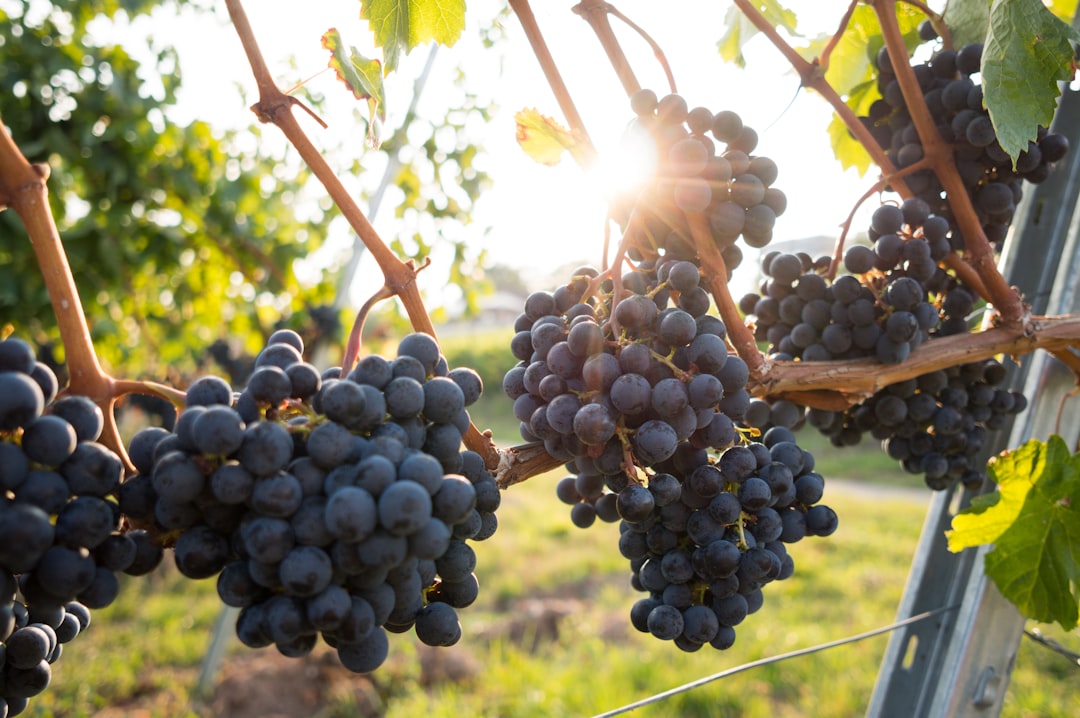
UK Grape Harvest 2026 Starts Earliest in Two Decades
The Agriculture and Horticulture Development Board confirmed it on July 31st: growers across England and Wales are picking right now, weeks ahead of any harvest this century.
That's not a small thing. The earliest harvest in 20 years, driven by a sustained heatwave and rainfall totals that have been shockingly low since April, means 2026 is shaping up as a vintage that will divide opinion before most people have even tasted it.
I've been watching the English wine scene long enough to know that "early harvest" gets used as a vague positive, the kind of thing you read in producer newsletters without much context. So let me try to be more specific about what this one actually means, and what to look out for if you're buying 2026 bottles or booking tastings later this year.
Why 2026 Is Different
England's previous early benchmark was 2003, the year of the continental heatwave that scorched France and made the whole of Europe scramble. That year produced wines that were, depending on who you ask, either a revelation or a mess. High sugars, low acid, wines that struggled to age. Some English producers made their best bottles ever. Others had wines that oxidised in the rack within four years.
2026 looks set to provoke the same argument, but English viticulture has moved on a lot since 2003. The varieties being grown now are better suited to heat. There's more Pinot Noir, more Chardonnay, more Bacchus planted in better-understood sites. Growers have learnt from 2018, which was also a hot, early year and produced some brilliant fruit without the structural problems that plagued 2003.
Low rainfall is the bigger concern this time. Stressed vines in a dry year can produce concentrated, high-quality fruit, but they can also shut down, producing grapes with uneven ripening and thick skins. Which of those outcomes you get depends almost entirely on the individual site, the soil's water-holding capacity, and decisions the grower made back in the spring about how hard to prune.
What This Means for the Style of English Wine in 2026
The short answer is: fuller, riper, and probably lower in the sharp acidity that defines classic English sparkling wine.
That's not necessarily a bad thing. English sparkling wine has, for years, sold itself partly on that lean, high-acid style that suits the cool climate. It makes for wines that age well and that sit beautifully alongside food. But a riper vintage like 2026 could produce still wines, particularly Pinot Noir and Bacchus, that are genuinely more approachable young. Less austere. More fruit-forward.
Producers working in the sparkling style will face trickier choices. The base wines for traditional-method sparkling need that acidity to survive the second fermentation and the years on lees. If the 2026 base wines are too ripe, the resulting sparkling wines might taste generous now but won't reward the six or eight years in a cellar that the best English sparkling can handle.
My honest guess, and it is a guess, is that 2026 will produce strong still wines and variable sparkling. The producers who managed canopy and irrigation carefully will be fine. The ones who had a difficult spring and couldn't control ripening might struggle. We won't know for certain until around late 2027 when the still wines start appearing.
The Regions to Watch
Not all of England had the same summer. The heatwave hit the south-east hardest, which means Kent, Sussex, and Essex faced the most extreme conditions. Further west, in Somerset and Gloucestershire, and further north in the growing pockets of Yorkshire and Lincolnshire, conditions were hot but slightly less relentless.
If I had to pick a county to watch for 2026, it's probably Kent. The North Downs sites have chalky, free-draining soils that cope reasonably well with dry conditions. Producers like Simpsons Wine Estate, whose Roman Road Pinot Noir has been quietly one of the best English reds of the last three years, and Hush Heath, which has the canopy management dialled in after a decade of hot summers, are the ones I'd be most curious about.
Sussex, which I'd argue is still the region with the deepest concentration of quality producers, may have had a harder time. Clay-heavy sites in the Low Weald retain water better, which could be an advantage, but they also risk uneven ripening when temperatures spike suddenly. Wiston Estate and Ridgeview will be the bellwethers.
What to Do With This Information
If you're a wine buyer, don't pre-order 2026 English wine without tasting. That sounds obvious, but a lot of people buy on vintage reputation before the wines are actually available. With a vintage this unusual, the producer matters more than ever.
If you go to tastings, and you really should be going to tastings, ask the producer directly how their site handled the dry summer. A good grower will tell you honestly. If they just say "it was a fantastic year," push back a little. The best ones are usually more complicated about it.
Tastings and masterclasses run by English wine producers and independent educators are a genuinely good way to get ahead of a vintage like this. If a Sussex producer or a Kent importer runs an event in the autumn or early 2026 specifically around the new vintage, that's worth booking early. Platforms like Sommly list those kinds of events from independent wine bars, bottle shops, and educators, and an unusual vintage year tends to generate more events, not fewer. Producers want to explain themselves.
The Bigger Picture
2026 is not an isolated fluke. England's growing season has been getting longer and warmer since the late 1980s, and the shift in harvest dates tracks that almost exactly. The AHDB data going back to the 1990s shows the average English harvest creeping from mid-October toward mid-September. This year it's pushed into late July and early August in some places.
That trend is good for English wine in some ways. Harder to ripen Pinot Noir is one of the reasons English sparkling wine punched below its weight for so long. Warmer summers fix that problem. But they also bring new risks, smoke taint, drought stress, disease pressure from higher humidity after rain events, that the industry is still working out how to manage.
2026 will tell us a lot. Whether the varieties English growers have bet on can handle a summer this dry. Whether the chalky sites in Kent and the Downs perform as well under heat stress as everyone hopes. Whether the early picks produce wines with enough acid to age.
Some of it will be brilliant. Some of it probably won't be. That's what makes it worth paying attention to.