Section 5 of 9
Principal grape varieties
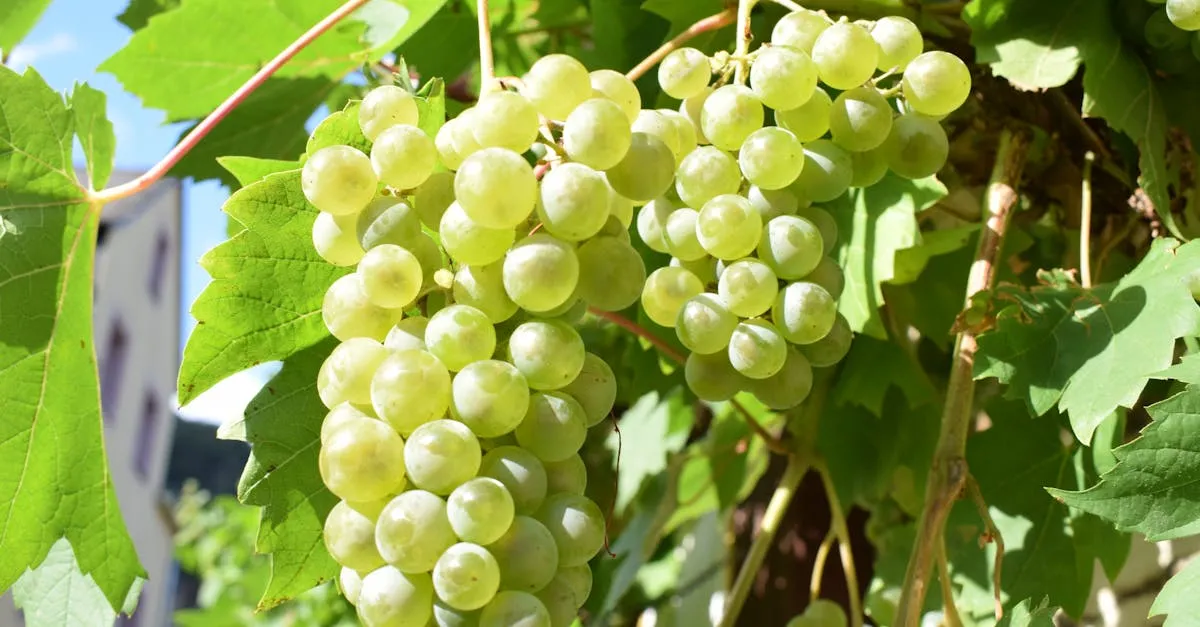
The grape variety, or blend of grape varieties, is a key factor influencing the style and quality of wine that is produced. Hundreds of varieties exist, but Level 1 focuses on the eight that have a global reputation: four white and four black. This chapter covers each one in turn, pairing typical style, acid and tannin profile, classic flavour markers, and the regions where the grape is most famous.
By the end of this chapter you will be able to:
- Name the four principal white and four principal black grape varieties.
- Describe the typical flavour profile of each variety in cool and warm climates.
- Identify the classic regions associated with each grape.
- Recognise common blends (Cabernet Sauvignon with Merlot, Chardonnay with Pinot Noir).
The eight you need to know
The four principal white varieties are Chardonnay, Sauvignon Blanc, Pinot Grigio, and Riesling. The four principal black varieties are Cabernet Sauvignon, Merlot, Pinot Noir, and Syrah (also called Shiraz). If you learn nothing else from this chapter, commit that list to memory.
White varieties
Chardonnay
Dry. One of the most popular and widely planted white grape varieties, capable of producing wines in a variety of different styles. Style changes dramatically with climate.
- Cool climate: high acidity, light to medium body, green apple and lemon flavours. Classic regions: Chablis (the coolest part of Burgundy), typically unoaked.
- Warm climate: medium acidity, medium to full body, peach and tropical fruit (pineapple, banana). Classic regions: Australia, California.
- Oaked wines often carry vanilla notes. Chardonnay is also a key grape in Champagne, usually blended with Pinot Noir.
Sauvignon Blanc
Always dry, always high acidity, always pronounced aromatic. Fermented in stainless steel to protect the character, almost never oaked. Light to medium body. Flavours range across green apple, grapefruit, passion fruit, and herbaceous notes like asparagus, green bell pepper, or cut grass. Classic regions: Sancerre (France) and Marlborough (New Zealand).
Pinot Grigio
Light-bodied, dry, simple. Medium to high acidity. Flavours of pear and lemon. Fermented in stainless steel, not oaked. Mainly associated with Italy but grown elsewhere.
Riesling
Always high acidity, but sweetness ranges from dry through to sweet. The high acid balances the sugar when the wine is sweet. Pronounced aromas: floral, green apple, lime, lemon, peach, apricot. Light to medium body. Fermented in stainless steel, not matured in oak. Riesling is the classic grape of Germany and is produced in a full range of sweetness styles there. Alsace (France) and Australia tend to make it dry.
Black varieties
Cabernet Sauvignon
High tannin, high acidity, medium to full body. Black fruit (blackcurrant, black cherry) with herbaceous notes of green bell pepper and mint. Often oaked, adding cedar and vanilla. Because the tannin is so firm, Cabernet Sauvignon is frequently blended. The most famous blend is with Merlot in Bordeaux, which softens the wine. In Australia it is sometimes blended with Shiraz to add spice. Widely grown in California, Australia, Chile, and South Africa.
Merlot
Dry, medium to full body, medium acidity and medium tannin. Flavours range from red fruits (strawberry, red plum) to black fruits (blackberry, black plum). Often oaked, giving vanilla. Merlot is the classic blending partner for Cabernet Sauvignon in Bordeaux, where it adds softness and body. Also grown widely as a single-variety wine in Chile and California, where it tends to be soft and fruity.
Pinot Noir
Dry, light to medium body, low to medium tannin, high acidity. The lightest of the four black varieties. Flavours of red fruit (strawberry, red cherry, raspberry). Often oaked, giving vanilla and smoke. Usually made as a single-variety wine. The grape of red Burgundy and the principal black grape of New Zealand. Also used in Champagne, where it is blended with Chardonnay.
Syrah / Shiraz
The same grape with two names: Syrah in France, Shiraz in Australia. Dry, medium to full body, medium to high tannin, medium acidity. Black fruit (blackberry, black cherry) with a signature spice (black pepper, liquorice). Often oaked, giving vanilla or coconut.
- Northern Rhône (Syrah): medium body, fresh blackberry, black pepper.
- Australia (Shiraz): full body, jammy black cherry, liquorice.
Climate and grape shape
You met climate in Chapter 2. Apply it here: the same grape produces a visibly different wine in a cool climate versus a warm one. Chardonnay is the clearest example (green apple and lemon in Chablis, peach and pineapple in California), but the pattern is true across most varieties. Cooler climate emphasises acidity, lighter body, greener flavours. Warmer climate gives riper fruit, higher body, lower acid.
Chapter summary
- White varieties: Chardonnay, Sauvignon Blanc, Pinot Grigio, Riesling.
- Black varieties: Cabernet Sauvignon, Merlot, Pinot Noir, Syrah (Shiraz).
- Chardonnay is the most versatile white; Sauvignon Blanc is always high acid and aromatic; Pinot Grigio is light and simple; Riesling is always high acid, sweetness varies.
- Cabernet Sauvignon is most tannic; Merlot is soft and medium; Pinot Noir is lightest; Syrah brings spice.
- Cabernet Sauvignon with Merlot is the classic Bordeaux blend. Chardonnay with Pinot Noir is the classic Champagne pair.
This chapter is a vocabulary test as much as a taste test. The flashcard deck below is where the grape-to-region and grape-to-flavour mappings get burned in. Run it now, then continue to Chapter 6 to meet specific named wines.
✓
Test yourself to continue
Principal grape varieties