Section 21 of 34
Cabernet Sauvignon
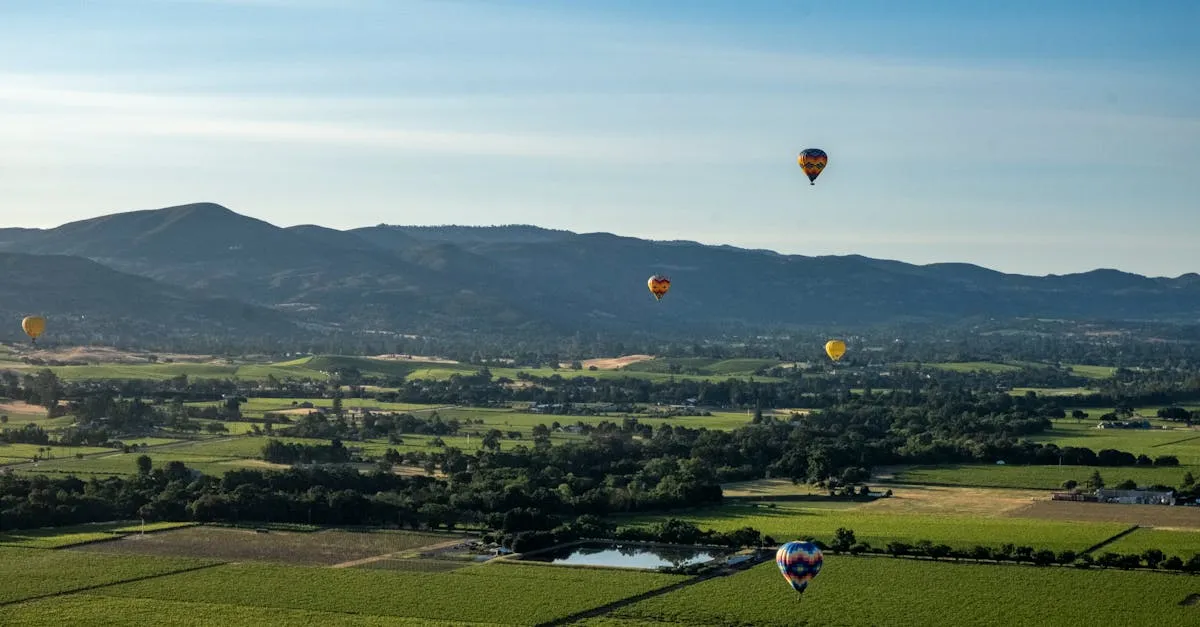
Cabernet Sauvignon is the world's most planted black grape. Thick skins, high tannins, high acidity, pronounced blackcurrant, and the structural ability to age for decades. It's the grape behind the most famous wines of Bordeaux's Left Bank and is now grown in nearly every serious wine region in the world.
By the end of this section you will be able to:
- Describe Cabernet Sauvignon's structural profile and aromatic signature.
- Explain why gravel soils matter for Cabernet Sauvignon in Bordeaux's Left Bank.
- Distinguish the main Left Bank appellations: Médoc, Haut-Médoc, Margaux, Pauillac, Graves, Pessac-Léognan.
- Explain why Cabernet Sauvignon is often blended with Merlot.
- Recognise the key international regions: Napa Valley, Sonoma, Maipo Valley, Colchagua Valley, Coonawarra, Margaret River, Stellenbosch.
The grape
Cabernet Sauvignon grows in moderate and warm climates, though in a moderate climate it can struggle to ripen in all but the warmest sites. Its grapes have thick skins that contain high levels of colour, flavour, and tannin, and they need a long, warm growing season to ripen fully.
A single-varietal Cabernet Sauvignon is:
- Deeply coloured.
- Dry, high acidity, high tannins, medium to full body.
- Pronounced flavours of black fruit (blackcurrant, black cherry) and, usually, herbal (mint) or herbaceous (green bell pepper/capsicum) notes.
- In warm climates, fruit flavours can become cooked in character.
Winemaking and maturation
Cabernet Sauvignon is found as a single-varietal wine but is often blended with Merlot. Blending helps soften Cabernet's very high tannins and acidity, which matters especially in cooler vintages in moderate-climate regions where the grape may struggle to ripen.
A newly fermented Cabernet Sauvignon can taste unpleasantly tannic. It is often matured in oak for several months or years before bottling. Oak maturation lets small amounts of oxygen into the wine, softening the tannins, and new-oak barrels add complex secondary flavours of smoke, vanilla, and cloves.
Cabernet Sauvignon's high tannin and acidity act as natural preservatives. Very good or outstanding examples mature over many years in bottle, with tannins softening and tertiary flavours of dried fruit, earth, and forest floor developing.
France: Bordeaux Left Bank
Many sites in moderate-climate Bordeaux are too cool for Cabernet Sauvignon to ripen reliably. The Left Bank solves the ripening problem with gravel soils. These stony soils drain rainwater quickly (so vine roots aren't cold and damp) and absorb heat by day to warm the vineyard at night.
Cabernet Sauvignon-dominated blends are common in the following Left Bank appellations:
- Médoc AOC
- North of the city of Bordeaux.
- Haut-Médoc AOC
- A smaller appellation within the Médoc. Contains the village appellations below.
- Margaux AOC and Pauillac AOC
- Two of the most famous village appellations within the Haut-Médoc.
- Graves AOC
- South of the city of Bordeaux.
- Pessac-Léognan AOC
- The high-quality northern section of Graves.
The best wines from these AOCs have very long ageing potential. Weather varies widely between Bordeaux vintages; in years when Cabernet Sauvignon struggles even on the gravel soils, the proportion of Merlot in the blend increases. In the warmer, more reliable South of France, Cabernet Sauvignon ripens every year and is found as a single-varietal or blended with Merlot and other black grapes.
USA
- Napa Valley and Sonoma (California)
- Produce many very good or outstanding Cabernet Sauvignon wines. Napa Valley has a warm, sunny climate and long growing season ideal for the grape. Full-bodied wines with pronounced ripe black fruit and high, ripe tannins come from the sub-regions of Oakville and Rutherford. Calistoga, in the far north of Napa Valley, is warmer still and produces some of the ripest, most full-bodied examples. Warmer inland Sonoma produces similarly powerful wines.
- California (regional)
- Wines labelled simply California are blended from grapes grown across the state, often including fruit from the hot, irrigated Central Valley. Typically intended for immediate consumption, with any oak character often from chips or staves.
Chile
Cabernet Sauvignon is Chile's most widely planted variety. Maipo Valley and Colchagua Valley are the key sub-regions within the broader Central Valley. They spread laterally from the Andes foothills in the east to the Coastal Ranges in the west, with flatter, more fertile sites on the valley floor - giving producers a broad range of vineyard conditions.
An increasing number of producers have established reputations for very good to outstanding single-varietal Cabernet Sauvignon and blends with Merlot or the local speciality Carmenère. Wines from the mountain foothills often show distinctive herbal (mint) and herbaceous (capsicum) characteristics alongside black fruit and oak.
South Africa, Australia, New Zealand
- Stellenbosch (South Africa)
- Mountainous, climate varies from moderate to warm depending on altitude. Styles range from fresh, herbal Cabernet Sauvignon to full-bodied wines with cooked-fruit flavours and high alcohol. Sometimes blended with Pinotage to create a Cape Blend.
- Margaret River (Australia)
- Warm region moderated by coastal breezes and plentiful winter rainfall. Well known for Cabernet Sauvignon, sometimes blended with Merlot. Typical ripe black fruit aromas and subtle oak.
- Coonawarra (South Australia)
- Small, moderated by cloud cover and southern breezes. Distinctive mint character, pronounced blackcurrant, typical smoke and cedar from oak. Typically very good to outstanding quality; ages many years.
- Hawke's Bay (New Zealand)
- Moderate climate. Cabernet Sauvignon needs the warmest sites to achieve full ripeness. Commonly blended with the more widely grown Merlot to produce wines with fresh red- and black-fruit flavours and herbaceous (capsicum) notes.
Section summary
- Black grape, moderate to warm climates, needs long warm growing season. Thick-skinned, high colour/flavour/tannin.
- Dry, high acidity, high tannins, medium to full body. Blackcurrant, black cherry, mint or capsicum. Cooked fruit in warm climates.
- Often blended with Merlot to soften tannins and acidity. Commonly oak-matured - softens tannins, adds smoke/vanilla/cloves.
- High tannin and acidity preserve the wine; ages many years, developing dried fruit, earth, forest floor.
- Bordeaux Left Bank: gravel soils enable ripening. Médoc, Haut-Médoc (Margaux, Pauillac), Graves (Pessac-Léognan). Cabernet-led blends.
- Merlot proportion rises in cool vintages.
- Napa Valley (Oakville, Rutherford, Calistoga) and Sonoma for premium; California regional for high-volume.
- Chile: most-planted variety. Maipo Valley, Colchagua Valley - often blended with Merlot or Carmenère.
- Stellenbosch (Cape Blend with Pinotage), Margaret River, Coonawarra (mint), Hawke's Bay (blended with Merlot).
Last grape in this chapter: Syrah, also known as Shiraz. Different name, different style, one grape.
✓
Test yourself to continue
Cabernet Sauvignon