Section 20 of 34
Merlot
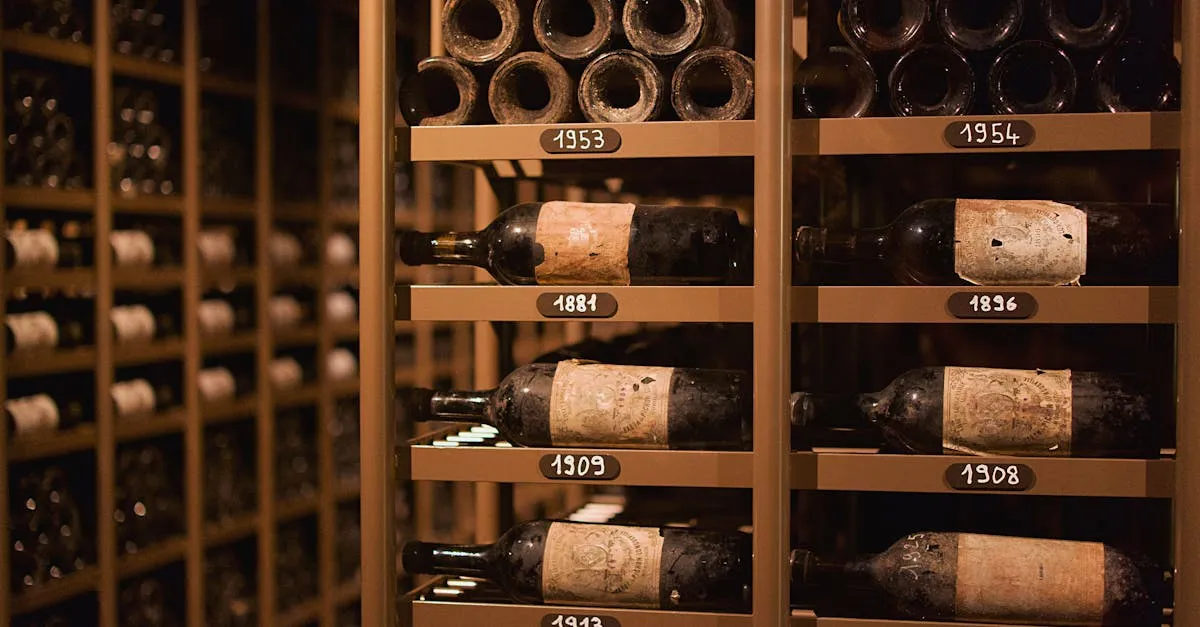
Merlot is the most widely planted grape in Bordeaux. It's also one of the most flexible black grapes in the world, capable of producing light, fruity wines intended for immediate drinking or pronounced, concentrated wines that improve with oak and bottle ageing. In a blend, Merlot does the softening work - it lowers tannin levels and adds red-fruit flavours to heavier grapes like Cabernet Sauvignon.
By the end of this section you will be able to:
- Describe Merlot's structural profile and how its flavours change with ripeness.
- Explain Merlot's role in Bordeaux blends and why Bordeaux is its classic home.
- Distinguish the Right Bank appellations (Saint-Émilion AOC, Pomerol AOC) as Merlot's famous home.
- Recognise the structure of Bordeaux's appellation hierarchy: regional, Left Bank, Right Bank.
- Identify the main international regions for Merlot.
The grape
Merlot is a black grape that grows in moderate and warm climates. A single-varietal Merlot is typically dry, medium acidity, medium tannins. Flavours shift with ripeness:
- Just-ripe: light to medium body. Red-fruit flavours (strawberry, red plum) and herbaceous notes (green bell pepper/capsicum).
- Riper: medium to full body. Cooked-black-fruit flavours (blackberry, black plum). Easily achieved in a warm climate or by harvesting later in a moderate one.
Winemaking and maturation
Merlot is capable of outstanding single-varietal wines but is often blended with higher-tannin varieties like Cabernet Sauvignon. Merlot adds red-fruit flavours and lowers tannin levels in a blend, making the wine ready to drink earlier.
Both oaked and unoaked styles are made. Lighter Merlot doesn't need extended barrel maturation; fuller styles benefit from the softness and complexity oak provides. The best Merlot-dominated wines are age-worthy, developing dried fruit and tobacco over time.
France: Bordeaux
Bordeaux, in south-west France, is the classic home of Merlot. Moderate climate with high rainfall from the Atlantic. Wines are typically blends of Merlot and Cabernet Sauvignon, where the proportions depend on style, soil type, and annual weather.
The region is split by the Gironde Estuary (where the Garonne and Dordogne rivers meet) into two halves:
- Left Bank
- West and south of the Gironde/Garonne. Districts: Médoc, Graves, Sauternes. Cabernet Sauvignon usually dominates the blend but Merlot is typically included.
- Right Bank
- North and east of the Gironde and Dordogne. Districts: Saint-Émilion and Pomerol. Merlot is the most important variety here.
Key appellations at Level 2:
- Bordeaux AOC and Bordeaux Supérieur AOC
- Regional appellations. Grapes can be grown anywhere in Bordeaux. Typically Merlot-dominated blends. Bordeaux Supérieur AOC has slightly stricter rules on yields, ageing, and minimum alcohol.
- Saint-Émilion AOC and Pomerol AOC
- The most important Right Bank appellations. Saint-Émilion AOC includes the more prestigious Saint-Émilion Grand Cru AOC. Outstanding examples are full-bodied with pronounced black-fruit aromas and flavours from oak maturation. Age well in bottle, developing dried fruit and tobacco.
In the South of France, Merlot is widely planted and produces single-varietal wines across all quality levels as well as blends with other black grapes (Cabernet Sauvignon, Grenache, Syrah).
Bordeaux labelling terms
- Château
- Does not refer to a grand building - it's the name for an estate or producer. "Château" on the label indicates the wine is made from grapes grown on that producer's land rather than bought in.
- Grand Cru Classé / Cru Classé
- Some Bordeaux sub-regions have drawn up classifications ranking the best châteaux. Widely considered a strong quality indicator. Typically the most expensive and sought-after wines; can mature for many years or decades.
- Cru Bourgeois
- Médoc-specific: wines not classified as Grand Cru Classé can apply to use this term. Typically priced below the Grand Cru Classé châteaux but some can be very good to outstanding with long ageing potential.
USA
California produces Merlot-based wines across all styles and quality levels. Blends with other black grapes are common, but single-varietal Merlot is also important. Styles range from fruity, medium-bodied "California"-labelled wines through to concentrated, full-bodied Merlot from Napa Valley and Sonoma. Pronounced oak flavours (vanilla, coconut, smoke) are common in Californian reds; very good or outstanding wines are often aged in new barrels while high-volume producers may use chips or staves.
Chile, South Africa, Australia, New Zealand
- Chile, Central Valley
- Warm and dry. High yields of fully ripe Merlot are achievable every year. Important source of soft, medium-bodied Merlot for high-volume brands. Altitude-moderated sites can produce fresher styles.
- South Africa, Stellenbosch
- Mountainous region with climate varying from moderate to warm depending on altitude and sea breezes. Strong reputation for complex, age-worthy reds from classic Bordeaux varieties.
- Australia, Margaret River
- Merlot has traditionally been part of a Cabernet Sauvignon blend in many high-quality Margaret River wines.
- New Zealand, Hawke's Bay
- Most New Zealand Merlot comes from here. Moderate climate with plentiful rainfall. Styles range from light and fruity to full-bodied and long-lived. Found as single-varietal or blended with Cabernet Sauvignon.
Section summary
- Black grape, moderate and warm climates, dry, medium acidity, medium tannins.
- Just-ripe: red fruit and capsicum. Ripe: cooked black fruit, fuller body.
- Often blended with higher-tannin grapes (Cabernet Sauvignon) to soften the blend. Both oaked and unoaked styles made.
- Ages to dried fruit and tobacco.
- Bordeaux: moderate Atlantic climate. Left Bank (Cabernet-led) vs Right Bank (Merlot-led).
- Right Bank: Saint-Émilion AOC (incl. Saint-Émilion Grand Cru AOC), Pomerol AOC.
- Regional: Bordeaux AOC, Bordeaux Supérieur AOC - typically Merlot-dominated.
- Château = estate. Grand Cru Classé/Cru Classé = top classifications. Cru Bourgeois = Médoc tier below Grand Cru Classé.
- International: Napa/Sonoma, Chile Central Valley, Stellenbosch, Margaret River, Hawke's Bay.
Next up: Cabernet Sauvignon, Merlot's blending partner on the Left Bank.
✓
Test yourself to continue
Merlot