Section 15 of 34
Chardonnay
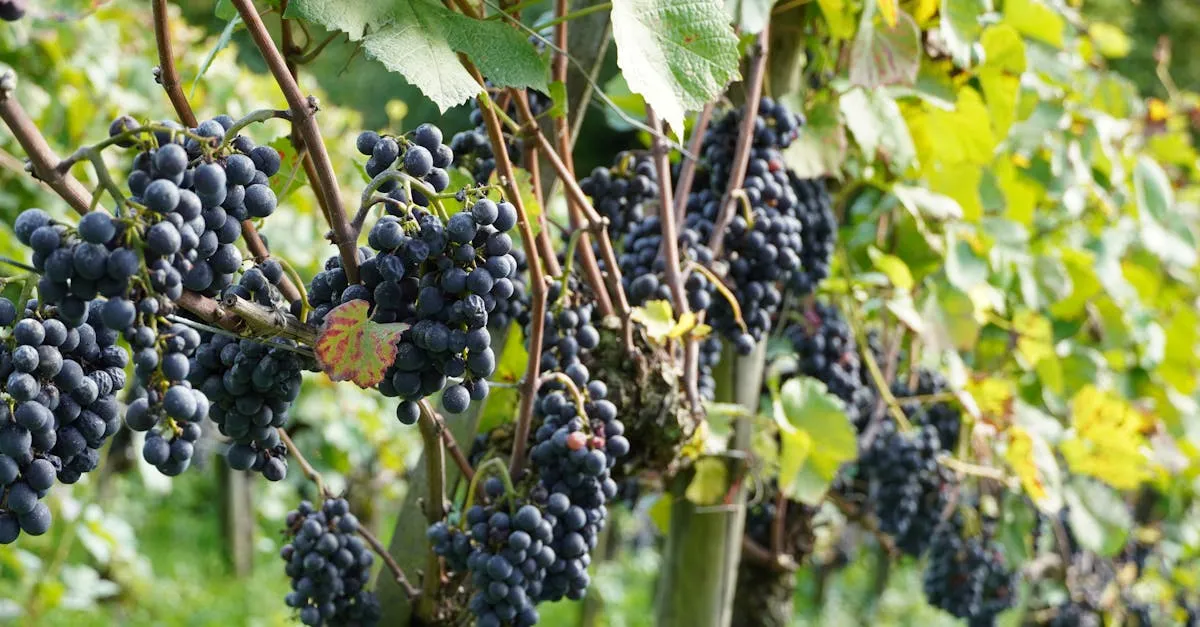
Chardonnay is the world's most versatile white grape. Cool, moderate, and warm climates all produce recognisable Chardonnay wines, and the winemaker then chooses how much secondary character to add through oak, lees, and malolactic conversion. The result is a wine that can taste like flinty Chablis, buttery Meursault, or rich Napa - all from the same grape.
By the end of this section you will be able to:
- Describe how Chardonnay's structure and flavours shift across cool, moderate, and warm climates.
- Explain the winemaking toolkit that shapes Chardonnay: malolactic conversion, lees contact, oak, and acid adjustment.
- Distinguish the four Burgundy tiers: Bourgogne AOC, Chablis AOC, Côte d'Or (Meursault, Puligny-Montrachet), and the Mâconnais.
- Recognise California's coastal styles (Carneros, Sonoma, Napa, Santa Barbara) and Australia's cool-climate regions (Adelaide Hills, Yarra Valley, Margaret River).
The grape
Chardonnay is a versatile grape that grows across cool, moderate, and warm climates. Its flavours track climate directly:
- Cool climate
- High acidity, light to medium body. Green fruit (apple, pear), citrus (lemon, lime), and wet stones.
- Moderate climate
- Medium to high acidity, medium to full body. Lemon, stone fruit (peach), sometimes tropical fruit (melon).
- Warm climate
- Medium acidity, full body. Dominated by stone fruit (peach) and tropical fruit (pineapple, banana).
Winemaking and maturation
Chardonnay is the grape where winemaking choices matter most. It is neutral enough to take on the flavours the winemaker gives it:
- Malolactic conversion adds buttery dairy flavours and softens acidity.
- Lees contact adds body and flavours of bread and biscuit.
- Oak fermentation or maturation adds body and flavours of smoke, vanilla, and coconut. Oak chips or staves are a lower-cost alternative used in high-volume brands.
- Acid adjustment is common in warm-climate Chardonnays to balance high alcohol and full body.
These techniques are all optional. Some producers deliberately avoid them - they ferment in inert vessels and may skip malolactic and lees to preserve pure fruit. Wines made this way are often labelled unoaked or unwooded.
Very good or outstanding Chardonnays can age for years or decades, developing complex tertiary flavours of hazelnut and mushroom.
France: Burgundy
Burgundy is Chardonnay's spiritual home. It runs from cool Chablis in the north, through the moderate Côte d'Or, to the Mâconnais in the south. Four tiers matter at Level 2:
- Bourgogne AOC
- Regional appellation: grapes can come from anywhere in Burgundy. Simple wines with apple and lemon flavours and high acidity.
- Chablis AOC
- Village appellation in the cool north. Dry, high acidity, flavours of apple, lemon, and wet stones. Premier Cru and Grand Cru vineyards on south/south-east-facing hillsides produce riper, more complex examples. Oak flavours are typically not detectable in Chablis - producers ferment in inert vessels to preserve the cool-climate fruit. Frost is a major concern that can reduce volumes in some years.
- Côte d'Or (Côte de Beaune)
- Moderate climate, riper fruit than Chablis (peach, melon). The villages of Meursault AOC and Puligny-Montrachet AOC are famous for very good and outstanding Chardonnay. Complexity and body come from fermenting and/or maturing in oak barrels and ageing on lees. Premier cru and grand cru vineyards here can develop tertiary hazelnut and mushroom for decades, and are considered by many the pinnacle of Chardonnay quality worldwide.
- Mâconnais
- Southern Burgundy. Fruity, mostly unoaked Chardonnay labelled Mâcon AOC with simple lemon, peach, and melon flavours. The steep sun-trap slopes around Pouilly-Fuissé AOC produce higher-quality wines with concentrated stone-fruit and tropical-fruit, often fermented or matured in oak.
South of France
The warm, Mediterranean-influenced South of France produces ripe, fruity Chardonnay with flavours of peach, pineapple, and banana. Most is labelled IGP (higher-volume, lower price). Better examples may see barrel fermentation or maturation; inexpensive ones typically rely on oak chips or staves for cost.
USA
- California, Central Valley
- Very warm and dry, irrigated, high yields. No GI: wines are labelled California. Peach and pineapple, medium acidity and body, any oak character from chips or staves.
- California, coastal
- Cooler coastal regions produce intensely flavoured and balanced Chardonnay. Carneros is cooled by San Pablo Bay fog. Sonoma by Pacific sea breezes. Napa Valley warms as you move north and produces full-bodied Chardonnay with pronounced tropical fruit and new-oak vanilla and spice. Santa Barbara County on the Central Coast ranges from Côte-de-Beaune-like wines through to tropical, high-alcohol examples.
- Oregon
- Generally moderate. Refreshingly high acidity and a range from citrus (lemon) to tropical (melon). Small-volume compared to California.
Australia
- South Eastern Australia
- Broad regional GI used for high-volume brands. Fruit often comes from warm, irrigated inland vineyards, sometimes blended with Semillon or cooler-vineyard wines to improve balance.
- Adelaide Hills (South Australia) and Yarra Valley (Victoria)
- Cooled by altitude and ocean currents respectively. Longer growing season, ripe stone fruit (peach) and sometimes tropical fruit (pineapple, banana), medium to high acidity, carefully balanced oak.
- Margaret River (Western Australia)
- Warm climate moderated by sea breezes. Smaller volumes, consistently high quality. Typically medium to full body, ripe stone fruit (peach) and tropical fruit (pineapple).
New Zealand
Marlborough (north-east South Island) is cool to moderate with strong ocean influence. Produces very good Chardonnay with ripe lemon, peach, and melon, high natural acidity, and subtle oak. Hawke's Bay (east coast of the North Island) is moderate; Chardonnay is the most widely planted white there, producing full-bodied wines with high acidity and pronounced stone fruit.
Chile and South Africa
- Casablanca Valley (Chile)
- Coastal, cooled by Pacific sea breezes and morning fogs. Refreshing Chardonnay with citrus (lemon) and stone fruit (peach) and varying oak influence. The larger Central Valley produces everything from high-volume brands to altitude-moderated premium examples.
- Walker Bay (South Africa)
- Coastal, among the coolest South African regions thanks to southern sea breezes. High acidity, ripe stone fruit (peach), tropical fruit (pineapple), and oak. Most inland Western Cape plantings go into high-volume brands and are sometimes blended with Chenin Blanc.
Section summary
- Chardonnay grows in cool, moderate, and warm climates. Flavours track ripeness: green/citrus/wet stones → stone fruit → tropical.
- Winemaking toolkit: malolactic conversion (butter), lees (bread, biscuit, body), oak (smoke, vanilla, coconut), acid adjustment in warm climates.
- All techniques are optional. Unoaked styles ferment in inert vessels and avoid MLF/lees.
- Ages to hazelnut and mushroom.
- Burgundy tiers: Bourgogne AOC (regional), Chablis AOC (cool, unoaked, apple/lemon), Côte d'Or Meursault and Puligny-Montrachet (moderate, oak-matured, outstanding, decades of ageing), Mâconnais Mâcon AOC and Pouilly-Fuissé AOC.
- South of France: IGP, warm climate, peach/pineapple/banana, oak chips at lower price points.
- California: Central Valley (warm, high-volume), coastal (Carneros/Sonoma/Napa/Santa Barbara - balanced to full-bodied, oak-rich). Oregon: moderate, high acidity.
- Australia: South Eastern Australia high-volume; Adelaide Hills, Yarra Valley, Margaret River are the cool/moderate quality regions.
- New Zealand: Marlborough and Hawke's Bay. Chile: Casablanca Valley and Central Valley. South Africa: Walker Bay.
One grape, three climates, and a dozen regions. Next up is Sauvignon Blanc, a grape that takes the opposite approach - distinctive no matter where it grows.
✓
Test yourself to continue
Chardonnay