Section 16 of 34
Sauvignon Blanc
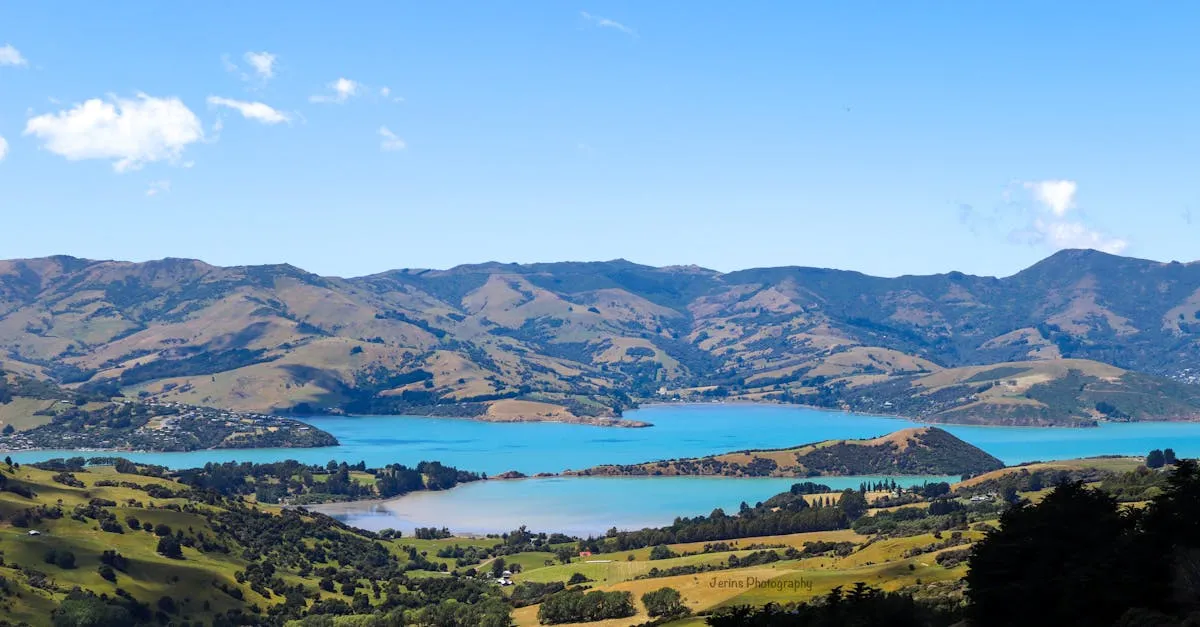
Sauvignon Blanc is the opposite of Chardonnay. Where Chardonnay is neutral and takes on whatever winemaking it's given, Sauvignon Blanc has loud, recognisable aromas that dominate wherever it grows. Herbaceous, high-acid, almost always unoaked, and best drunk young.
By the end of this section you will be able to:
- Describe Sauvignon Blanc's structural and aromatic profile.
- Explain why Sauvignon Blanc is typically fermented in inert vessels.
- Distinguish the Loire styles (Sancerre AOC, Pouilly-Fumé AOC, Touraine AOC).
- Compare Bordeaux's Sauvignon Blanc-Sémillon blends (including Graves AOC and Pessac-Léognan AOC) with single-varietal styles.
- Describe the Marlborough style and how it differs from the Loire.
The grape
Sauvignon Blanc is an aromatic grape that grows best in cool and moderate climates. It typically produces dry wines that are light to medium in body with high acidity.
Its aromas are unmistakable:
- Herbaceous: grass, green bell pepper (capsicum), asparagus.
- Floral: blossom.
- Fruit: varies with ripeness - from green fruit (apple, gooseberry) and wet stones through to tropical fruit (passion fruit).
Complexity can be added by blending grapes from different sites or ripeness levels.
Winemaking and maturation
Sauvignon Blanc is usually a single-varietal wine but is sometimes blended with Sémillon, especially in Bordeaux and Australia. It is most commonly produced in inert vessels because new-oak flavours easily overwhelm its distinctive herbaceous character. Barrel-aged examples do exist and are typically labelled something like barrel aged.
Sauvignon Blanc wines are best consumed young. Even outstanding examples can lose their fresh aromas within a couple of years and develop unattractive vegetal notes.
France: Loire
The Loire Valley is Sauvignon Blanc's French home. Two famous appellations face each other across the Loire River, both cool climate:
- Sancerre AOC and Pouilly-Fumé AOC
- Sauvignon Blanc is the only white variety permitted. Dry, high acidity, aromas of green fruit (apple), herbaceous notes (grass, asparagus), and sometimes wet stones.
- Touraine AOC
- A wider sub-region to the west. Typically fruity and inexpensive versions of the Loire style.
France: Bordeaux
In Bordeaux, Sauvignon Blanc makes a broad range of dry white styles.
- Bordeaux AOC
- Simple wines with fresh grass and green apple aromas.
- Graves AOC and Pessac-Léognan AOC
- More concentrated and complex. Typically Sauvignon Blanc blended with Sémillon, where Sémillon adds body and ageing potential. Very good or outstanding examples are often matured in oak and develop honey and nuts in bottle.
South of France
Most of the South of France is too warm for Sauvignon Blanc. The best wines come from areas cooled by altitude: dry, high-acid, with tropical-fruit flavours (passion fruit) alongside the expected herbaceous notes (grass).
New Zealand
Marlborough, at the top of New Zealand's South Island, is the most famous Sauvignon Blanc region in the world. Cool to moderate climate.
Marlborough Sauvignon Blanc typically has more pronounced characteristics than Loire examples. Producers often blend across different sites or ripeness levels, giving a broad range of fruit flavours (lemon, peach, passion fruit) alongside pronounced green-bell-pepper (capsicum) and asparagus aromas.
Experimentation beyond the classic Marlborough style is increasingly common: some producers focus on cooler sites for Loire-like wines; others add small amounts of oak or lees contact for complexity and body.
Australia, Chile, South Africa, California
- Margaret River (Australia)
- Reputation for Sauvignon Blanc, often blended with Semillon. Concentrated herbaceous aromas (grass), some examples made in contact with oak.
- Adelaide Hills (Australia)
- The most widely planted grape variety in the region; cooled by altitude and ocean breezes. Fresh, fruity, citrus to tropical. Some Sémillon blends for body and ageing.
- Casablanca Valley (Chile)
- Coastal, cooled by sea breezes and morning fogs. Established reputation for very good Sauvignon Blanc.
- Constantia and Elgin (South Africa)
- Constantia, south of Cape Town, cooled by Southern Ocean breezes, produces refreshing tropical-and-herbaceous styles. Elgin is cooled by altitude and is often cited as the coolest wine region in South Africa, producing green-fruit and sometimes wet-stone styles.
- California
- Mostly too warm for the fresh herbaceous style. Best examples come from cooler areas like parts of Napa Valley, sometimes made in contact with oak for body and smoke.
Section summary
- Aromatic grape, cool to moderate climates, dry, light to medium body, high acidity.
- Herbaceous (grass, capsicum, asparagus), floral (blossom), fruit from green/wet-stones to tropical (passion fruit).
- Typically fermented in inert vessels - oak overpowers the herbaceous character. Sometimes blended with Sémillon.
- Best drunk young; outstanding examples lose aromas within a couple of years.
- Loire Valley: Sancerre AOC and Pouilly-Fumé AOC (only Sauvignon Blanc permitted); Touraine AOC wider sub-region.
- Bordeaux: simple Bordeaux AOC; Graves and Pessac-Léognan blended with Sémillon, often oak-matured, develop honey and nuts.
- Marlborough (NZ): cool to moderate, more pronounced than Loire, blended across sites/ripeness for complexity.
- Other regions: Margaret River (often with Semillon), Adelaide Hills, Casablanca Valley (Chile), Constantia and Elgin (South Africa), cooler parts of California.
Next up is Pinot Grigio and Pinot Gris, a grape that takes being two things at once very seriously.
✓
Test yourself to continue
Sauvignon Blanc