Section 13 of 34
Furmint
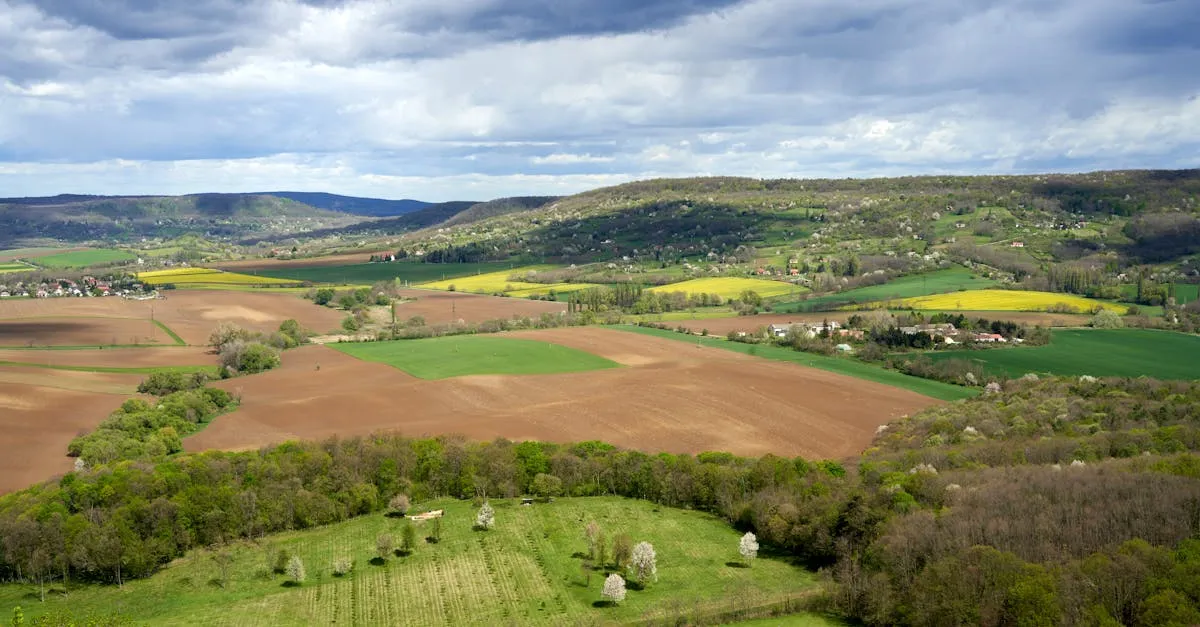
Furmint is the smallest of the four grapes in this chapter by global plantings, but it makes one of the world's great sweet wines. Almost everything you need to know about Furmint is tied to a single Hungarian region: Tokaj.
By the end of this section you will be able to:
- Describe Furmint's structural profile.
- Identify Tokaj as Furmint's home region.
- Explain how Tokaji Aszú is made and what it tastes like.
- Read the Puttonyos labelling system.
The grape
Furmint has high acidity and is highly susceptible to botrytis (noble rot). That combination makes it ideal for sweet-wine production, and that's why it's grown almost entirely in one place: the Tokaj region of north-east Hungary.
Furmint can produce dry, medium, and sweet wines, oaked or unoaked, but its global reputation rests on the sweet style.
Tokaji Aszú
Tokaji Aszú is a sweet wine made from grapes affected by botrytis. Furmint is the principal grape, often blended with other local varieties to add aroma complexity. The wine is always sweet - the only question is how sweet.
- The Puttonyos system
- A traditional sweetness indicator on the label. 5 Puttonyos wines are sweet; 6 Puttonyos wines are sweeter still. The number tells you the relative concentration of botrytised grapes used.
Tokaji Aszú is amber in colour because the wine traditionally spends a significant amount of time ageing in oak. On the nose it is pronounced, with a combination of all three aroma types:
- Primary: fresh and dried stone fruits (apricots), citrus fruits.
- Secondary: oak-derived vanilla and smoke.
- Tertiary: typically aromas of deliberate oxidation like caramel.
The sweetness and full body are balanced by high acidity and the finish is typically long and intense. Tokaji Aszú is considered one of the world's best and most complex sweet wines, very good or outstanding in quality. With bottle age the best examples develop further tertiary notes of dried fruit, caramel, and nuts.
Section summary
- Furmint: high acidity, very susceptible to botrytis. Mostly grown in Tokaj, north-east Hungary.
- Made dry, medium, and sweet, oaked or unoaked.
- Tokaji Aszú: always sweet, made from botrytised Furmint plus local blending grapes.
- Puttonyos labelling: 5 Puttonyos = sweet; 6 Puttonyos = sweeter.
- Amber colour from oak ageing. Pronounced aromas across primary, secondary, and tertiary types (apricot, vanilla, caramel).
- One of the world's great sweet wines; ages many years, developing dried fruit, caramel, and nuts.
Chapter 3 done. Production techniques plus four high-acid, botrytis-friendly grapes. The chapter flashcard deck below now drills the white/rosé/sweet processes, German Prädikat, Vouvray styles, Sauternes and Hunter Valley Sémillon, and the Tokaji Aszú/Puttonyos system. Run it once now and once before moving to chapter 4.
✓
Test yourself to continue
Furmint