Section 30 of 34
Nebbiolo, Barbera, Corvina
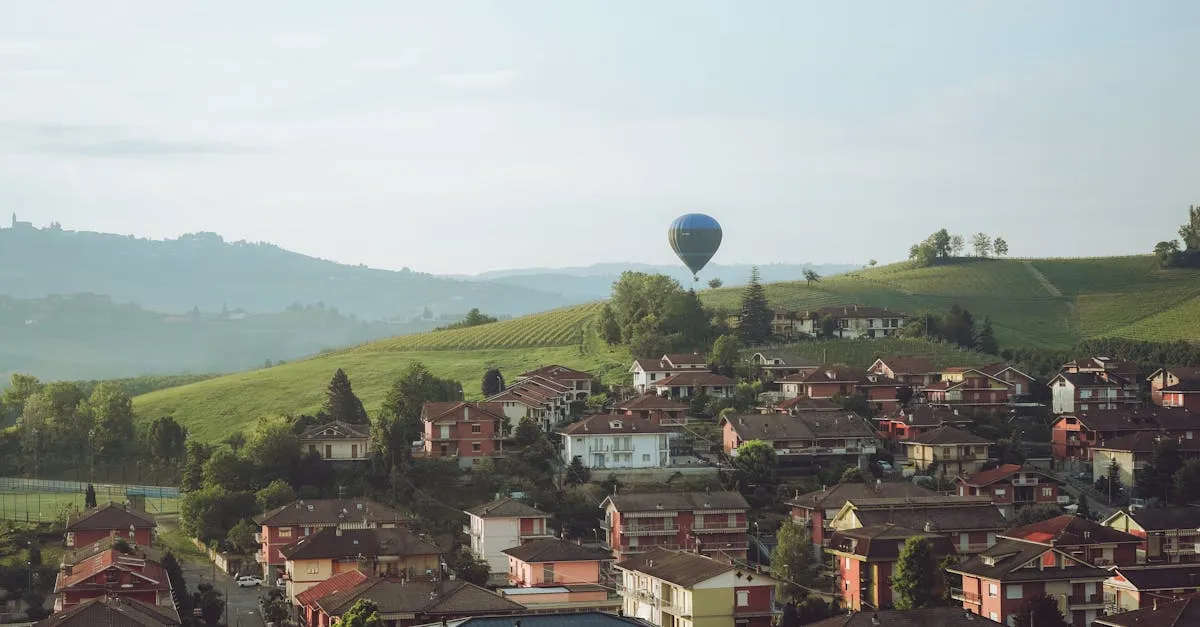
Three northern Italian black grapes, each defining a different famous wine region. Nebbiolo makes the powerful, age-worthy reds of Barolo and Barbaresco. Barbera shares Piemonte with Nebbiolo but makes something completely different. Corvina is the backbone of Valpolicella's four styles, including the extraordinary appassimento wines Amarone and Recioto.
By the end of this section you will be able to:
- Describe Nebbiolo's structural profile and identify Barolo DOCG and Barbaresco DOCG.
- Describe Barbera's profile and identify Barbera d'Asti DOCG.
- Describe Corvina's profile and the four Valpolicella styles (Valpolicella DOC, Valpolicella Classico DOC, Amarone della Valpolicella DOCG, Recioto della Valpolicella DOCG).
- Explain how appassimento works and what it does to the finished wine.
Nebbiolo
Nebbiolo produces wines with high acidity and high tannins. Distinctive red-fruit aromas (red cherry, red plum), notes of dried herbs, and sometimes floral characters (rose, violet).
Often matured for extended periods in oak to soften the high tannins. Some producers use old oak barrels; others use new oak for added flavour. Its high acidity and tannin mean that the wines often improve with bottle age, developing tertiary aromas of mushrooms, tobacco, and leather.
- Barolo DOCG
- Perhaps the most famous wine of the Piemonte region in north-west Italy. Nebbiolo is the only variety permitted. Horseshoe-shaped valley with steep south-facing vineyards. Typically full-bodied, pronounced flavours, high tannin and acidity, long ageing potential.
- Barbaresco DOCG
- A smaller region north-east of Barolo DOCG. Makes similarly powerful and long-lived Nebbiolo wines.
Barbera
Barbera produces wines with high acidity and low to medium tannins. Red fruit (red cherries, red plums) and sometimes black pepper.
Many Barbera wines are unoaked and fruity, while some producers mature their wines in oak for added complexity.
Like Nebbiolo, Barbera is widely grown in the Piemonte region. Barbera d'Asti DOCG is considered by many to produce Barbera's highest-quality wines. Because of its lower tannin levels, Barbera is generally drinkable at a younger stage than Nebbiolo and has less ageing potential.
Corvina
Corvina produces wines that are low to medium in tannins and high in acidity, with red-fruit flavours (red cherry, red plum).
The most important grape of Valpolicella, in the Veneto region of north-east Italy. Corvina typically dominates the blend, though a number of other local grapes are permitted.
- Valpolicella DOC
- Typically light-bodied, fruity, and quite simple in flavour. Rarely matured in new oak. Intended to be consumed while young.
- Valpolicella Classico DOC
- Comes from the hillier heartland of the region. More body and complexity than basic Valpolicella DOC.
- Amarone della Valpolicella DOCG
- A dry to off-dry red wine made from appassimento grapes: grapes harvested and dried indoors to concentrate sugars, acids, tannins, and flavours. Full-bodied wine with high alcohol (around 15% abv), high tannins, and pronounced flavours of fresh fruit (red cherries) and dried fruit (prunes, raisins, figs).
- Recioto della Valpolicella DOCG
- A sweet red wine made from partially dried (appassimento) grapes. The grapes have such concentrated sugars that the yeast cannot ferment them to dryness.
Appassimento
Widely used in the Veneto. Appassimento involves picking ripe grapes and drying them indoors before fermentation, which concentrates their sugars, acids, tannins, and flavours. The result is a much more intense and alcoholic wine. Amarone della Valpolicella DOCG and Recioto della Valpolicella DOCG are the two most famous red-wine examples; Recioto di Soave DOCG is the white-wine equivalent.
Section summary
- Nebbiolo: high acid, high tannin, red cherry/red plum/dried herbs/rose/violet. Extended oak maturation. Ages to mushrooms, tobacco, leather. Barolo DOCG (only variety permitted, steep south-facing valley) and Barbaresco DOCG. Piemonte.
- Barbera: high acid, low-medium tannin, red fruit, sometimes black pepper. Piemonte. Barbera d'Asti DOCG. Drinkable younger than Nebbiolo, less ageing potential.
- Corvina: low-medium tannin, high acid, red cherry/red plum. Dominant grape of Valpolicella in Veneto.
- Four Valpolicella styles: Valpolicella DOC (light, fruity), Valpolicella Classico DOC (hillier, more body), Amarone della Valpolicella DOCG (dry to off-dry appassimento, ~15% abv), Recioto della Valpolicella DOCG (sweet appassimento).
- Appassimento: drying grapes indoors before fermentation to concentrate sugar, acid, tannin, and flavour.
Last Italian sub-section: Sangiovese and Montepulciano, the two principal black grapes of central Italy.
✓
Test yourself to continue
Nebbiolo, Barbera, Corvina