Section 2 of 34
Tasting technique
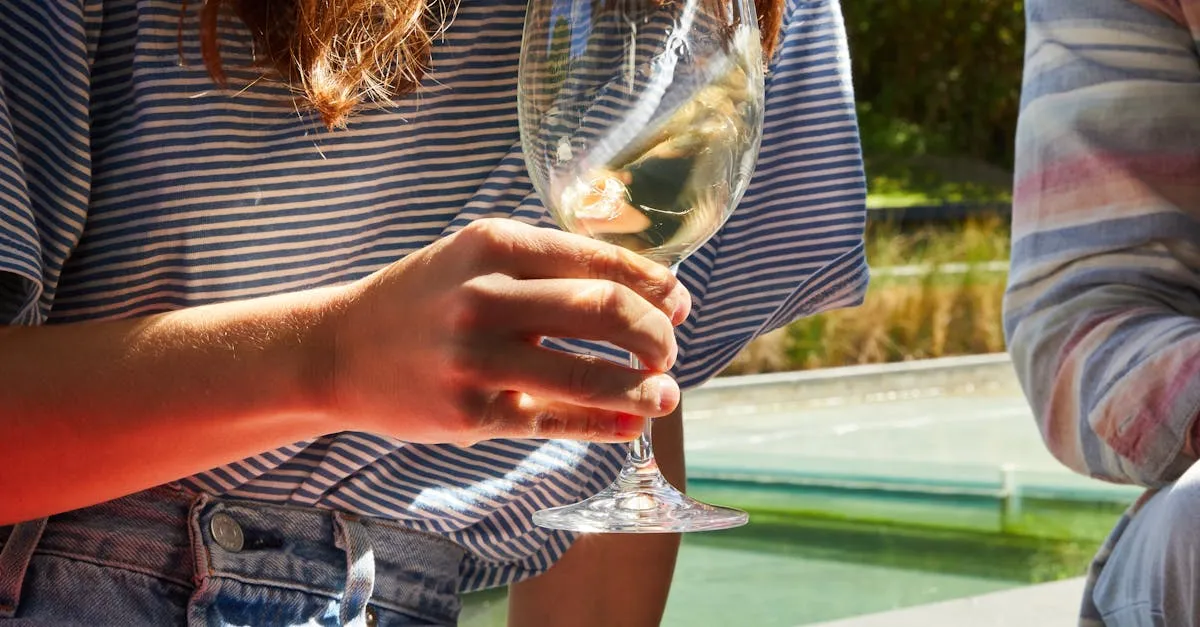
Level 2 builds on the three-stage Level 1 SAT and replaces it with a more detailed Systematic Approach to Tasting Wine. The same appearance, nose, and palate framework, but with explicit scales for every characteristic and a four-criteria quality conclusion at the end.
By the end of this section you will be able to:
- Set up a tasting environment and prepare yourself, your glassware, and your samples correctly.
- Place a wine on the SAT scales for appearance, nose, and palate.
- Distinguish primary, secondary, and tertiary aromas.
- Use the alcohol-by-volume bands the WSET specifies for still and fortified wines.
- Assess wine quality against the four conclusion criteria.
Preparing for tasting
An ideal tasting environment has good lighting for assessing appearance, no strong odours, sufficient space for glasses and notes, and spittoons or spit cups available. To prepare yourself, you need a clean palate (no toothpaste or lingering food), no perfume or aftershave, and clean odourless glassware free of detergent or polish residue.
The ISO glass is the WSET standard. Two features matter on any tasting glass: a rounded bowl that lets you swirl, and inward-sloping walls that capture aromas at the rim. Pour a 5 cL (1.7 fl oz) sample so you can swirl in the base of the bowl without spilling.
Appearance
Hold the glass at a 45° angle against a white surface. Look through the wine from above to see how far the colour reaches from the deepest part of the bowl out to the rim.
- Intensity
- Pale, medium, or deep. Pale wines have a broad watery rim. Deep wines hold their pigment all the way to the rim. For reds, you can also look down through an upright glass: if you can see the stem clearly, the wine is pale; if the stem disappears, it is deep.
Colour scales differ by wine type and you need all three:
- White: lemon → gold → amber. Most whites are lemon; an orange or brown hint moves them to gold; very brown wines are amber.
- Rosé: pink → pink-orange → orange. Orange rosés are rare.
- Red: purple → ruby → garnet → tawny. Most reds are ruby; a noticeable blue or purple cast keeps them at purple; an orange or brown tint shifts them to garnet; if more brown than red, they are tawny.
Nose
Swirl, then sniff over the rim. Note the intensity first, then the characteristics.
- Intensity
- Light, medium, or pronounced. Pronounced aromas hit you the moment your nose enters the glass. Light aromas stay faint even after swirling. Anything in between is medium.
The Level 2 syllabus introduces three aroma types. Every wine has primary aromas; many have secondary; some develop tertiary. Identifying which is which is a recurring exam target.
- Primary aromas
- From the grapes themselves and from fermentation. Almost always fruit-led, often with floral, herbaceous, or spice characters layered on. Examples: lemon, blackcurrant, apple, rose, black pepper.
- Secondary aromas
- From post-fermentation winemaking. Oak gives vanilla, cloves, coconut, smoke. Malolactic conversion gives butter and cream. Autolysis (in sparkling wines) gives biscuit, toast, and bread.
- Tertiary aromas
- From ageing. Oxidative ageing (long oak ageing) produces caramel, coffee, almond, hazelnut. Protected ageing (long bottle ageing) produces petrol, honey, mushroom, leather, dried fruit. Fruit aromas in tertiary wines move from fresh to dried.
Palate
Take a sip large enough to coat your mouth. Now place the wine on each of the structural scales, then describe its flavour and finish.
- Sweetness
- Dry, off-dry, medium, or sweet. Off-dry wines have a tiny detectable hint of sugar. Medium wines are clearly sweet but rarely sweet enough to partner most desserts.
- Acidity
- Low, medium, or high. The reliable indicator is how much your mouth waters. The longer it waters, the higher the acid. Sweetness can mask acidity, but the mouth-watering effect persists. Alcohol can mimic an acid burn - check whether it is mouth-watering or just hot.
- Tannin
- Low, medium, or high. Tannins bind to your saliva and dry your mouth. They can also taste bitter at the back of your mouth. A red-wine characteristic.
- Alcohol
- For still wines: low is below 11% abv, medium is 11 to 13.9%, high is 14% and above. For fortified wines: low is 15 to 16.4%, medium is 16.5 to 18.4%, high is 18.5% and above. High alcohol triggers a burning sensation, especially after spitting.
- Body
- Light, medium, or full. Body is the overall mouthfeel, created by sugar, acidity, tannin, and alcohol working together. Alcohol is usually the biggest contributor; high acidity makes a wine feel lighter; ripe tannin and sugar add weight.
- Flavour intensity and characteristics
- Use the same light/medium/pronounced scale as the nose, and the same primary/secondary/tertiary categories. Some characters (especially spice) come through more on the palate; some (often floral) less so.
- Finish
- Short, medium, or long. Only the persistence of the desirable sensations counts. A lingering bitterness alone is a short finish, not a long one.
Conclusions
The SAT ends with a quality judgement on a five-step scale: poor, acceptable, good, very good, outstanding. Four criteria support that judgement:
- Balance. Sugar against acid, alcohol against fruit intensity, acid against fruit. An out-of-balance wine is rarely better than acceptable.
- Length/finish. Pleasant flavours that last after the swallow signal quality. A short finish or a finish that ends on burning alcohol does not.
- Identifiable characteristics and intensity of flavours. Distinct, well-defined flavours rate higher than vague generic ones. A delicate wine can still be outstanding if the flavours are crisp and identifiable.
- Complexity. A range of primary, secondary, and tertiary characters. Note that some great wines are deliberately simple (icewine, for example), so complexity is a positive but not a requirement.
Section summary
- The Level 2 SAT covers appearance, nose, palate, and a four-criteria conclusion.
- Colour scales: lemon → gold → amber (white), pink → pink-orange → orange (rosé), purple → ruby → garnet → tawny (red).
- Aromas come in three types: primary (grape/fermentation), secondary (post-ferment winemaking), tertiary (ageing).
- Still-wine alcohol bands: low <11%, medium 11-13.9%, high ≥14%. Fortified bands: low 15-16.4%, medium 16.5-18.4%, high ≥18.5%.
- Quality scale: poor, acceptable, good, very good, outstanding. Outstanding hits all four criteria.
The SAT is the framework for every wine you'll meet for the rest of the course. Move on to pairing wine and food in the next section, then run the chapter deck once you've worked through both.
✓
Test yourself to continue
Tasting technique